Creating an efficient SEO plan is essential for increasing search engine rankings and bringing in natural website visitors. As the digital landscape evolves, so do the methods for optimizing websites for search engines. This article delves into various aspects of creating a comprehensive SEO strategy that yields tangible results.
We’ll explore critical elements such as conducting an SEO audit, defining Key Performance Indicators (KPIs), mobile optimization considerations, and keyword research techniques. Further on, we will discuss how blogging and content creation can enhance your SEO efforts and engage potential customers more effectively.
In addition to these strategies, we will also touch upon link-building tactics and address technical issues that could impact your site’s performance in SERP rankings. Finally, reporting and analysis form a crucial part of any successful SEO process; hence we’ll delve into strategic approaches towards understanding past performances to plan future actions better.
Table of Contents:
- Understanding SEO Strategy
- Mobile SEO Considerations
- Keyword Optimization Techniques
- Blogging & Content Creation
- Link-Building Strategies
- Site Structure & Technical Issues
- Reporting & Analysis
- FAQs in Relation to Seo Strategy
- Conclusion
Understanding SEO Strategy
An effective SEO strategy is a game-changer for businesses looking to rank higher on search engine results pages (SERPs). Uncovering the needs of your target audience and delivering content that meets those demands is essential for successful SEO. Let’s delve into some key components of an SEO strategy.
The Importance of Performing an SEO Audit
A comprehensive SEO audit can be instrumental in identifying what’s working well, what needs improvement, and how you stack up against competitors. This process involves examining elements like website structure, backlink profile, content quality, keyword usage, and more. The insights gained from this exercise can guide your ongoing optimization efforts.
Defining Key Performance Indicators for Your Business
Your Key Performance Indicators (KPIs) serve as measurable values that demonstrate how effectively your company is achieving its objectives. In terms of SEO, KPIs could include metrics such as organic traffic growth rate or conversion rates from organic visitors. By clearly defining these indicators upfront, you’ll have tangible goals to work towards and benchmarks to measure success against.
In essence, creating a robust SEO strategy requires careful planning and execution – but the rewards are worth it. From increased visibility on SERPs to improved user engagement – every step taken towards optimizing your site brings you closer to reaching those coveted top spots on Google.
Mobile SEO Considerations
Nowadays, having a website that is optimized for mobile use is essential in the digital era. With most web traffic coming from mobile devices, it’s crucial to consider mobile SEO strategies when planning your online presence.
Boosting page speed for better user experience
The first step towards successful mobile optimization is improving your site’s load time. Slow loading pages can be frustrating for users and can hurt your search engine rankings. Use web analytics tools to monitor the size of media files and optimize them for faster loading times. A faster loading page not only improves visitor satisfaction but also gives you an edge over competitors in search engine results.
The importance of responsive site design in mobile optimization
Implementing a responsive design on your website is another key aspect of effective mobile SEO strategy. Responsive design ensures that your content looks good and functions well on any device, providing users with seamless browsing experiences regardless of their device type. Check out this guide by Google on how to make sure that your website has a responsive design.
Don’t forget about local SEO
As more people use their phones for location-based searches (think “restaurants near me”), incorporating local keywords into your content can help boost visibility among potential customers within proximity. Make sure to use credible sources to backup your claims and improve your local SEO.
Keyword Optimization Techniques
Understanding your target audience and their search behavior is key to crafting a successful SEO strategy. One of the most effective ways to do this is through keyword optimization. This involves researching which keywords are important to your audience, then creating content that aligns with these topics.
Researching Relevant Keywords for Target Audience
The first step in keyword optimization is conducting thorough research. There are several online tools like Google Keyword Planner that can help you identify relevant keywords based on what your target audience is searching for. These tools provide insights into search volume, competition level, and even suggest related keywords you might not have considered.
Optimizing Content Around Long-Tail Keywords
In addition to targeting popular short-tail keywords, it’s also beneficial to focus on long-tail keywordsa€”specific phrases consisting of three or more words. For instance, instead of optimizing for “winter jackets,” try something more specific like “women’s waterproof winter jackets.” While these longer phrases may get fewer searches overall, they often attract highly targeted traffic leading to better conversion rates.
Beyond just including these long-tail keywords in your content naturally and strategically (like in headers or meta descriptions), consider creating entire blog posts or web pages around them. Seasonal trends could be leveraged tooa€”for example; a post about ‘best womena€™s waterproof winter jackets’ could drive significant traffic volumes during colder months.
A well-executed keyword optimization strategy can significantly boost your site’s visibility on SERPs and bring valuable organic traffic right at your doorstep. Remember: The goal isn’t just getting people onto the sitea€”ita€™s attracting those who will find real value from what you offer.
Blogging & Content Creation
Engaging and relevant content is key to a successful SEO strategy. It not only helps you rank for targeted keywords but also provides value to your audience, increasing user engagement.
Writing Blogs to Engage Users Effectively
Crafting engaging blog content involves comprehending what your readers seek and delivering it in an interesting way. Whether it’s how-to guides, industry news updates, or thought leadership pieces, every post should provide value to the reader while subtly promoting your business.
Creating Informative Guides Using WordPress
WordPress, one of the most popular content management systems, offers numerous features that make creating informative guides a breeze. From easy-to-use editing tools to plugins for adding visually appealing charts and infographics, you can create comprehensive guides that provide valuable information and enhance user experience on your site.
In summary, blogging and content creation drive organic traffic by targeting specific keywords and fostering user engagement through high-quality content. Whether you’re penning the latest industry trends or designing instructional manuals using platforms like WordPress, the key remains the same: deliver quality consistently across all fronts.
Link-Building Strategies
In the digital landscape, link-building strategies are crucial for a successful SEO game plan. A fascinating study on voice search trends managed to attract 5.6k backlinks due to its unique insights, proving that data-driven studies can organically generate inbound links.
Actively Building Links to Quality Content
In order to generate organic backlinks, it is essential to not only create quality content but also actively build links pointing towards it. This process involves reaching out to other websites and influencers in your industry, offering them valuable content that their audience would appreciate.
- Promote Your Content: Once you’ve created engaging content, don’t hesitate to promote it across various platforms like social media or email newsletters.
- Guest Blogging: Writing guest posts for reputable sites within your industry not only helps establish authority but also provides opportunities for natural backlink generation.
- Create Infographics: Infographics are highly shareable pieces of content that can generate numerous backlinks when they’re picked up by other websites or blogs in your niche.
In essence, effective link-building isn’t about quantity—it’s about quality. By focusing on creating top-notch content and promoting it effectively through strategic outreach efforts, you’ll be well-positioned to earn valuable organic traffic and ultimately improve your SERP rankings through efficient utilization of Search Engine Optimization techniques in today’s ever-competitive digital landscape.
Site Structure & Technical Issues
The structure of your website plays a significant role in its SEO performance. From using headings to organize content to optimizing images, all these factors contribute towards improving crawlability for Google’s bots. These bots scan site contents when determining SERP rankings.
Improving Crawlability Through Proper Site Structure
A well-structured site allows search engines to understand and index your content better. Consider using Google’s best practices for site architecture. This includes creating a logical hierarchy of information with clear navigation links and making sure each page is reachable from at least one static text link.
Besides this, addressing technical issues such as broken links or slow load times should be prioritized alongside optimizing images by compressing them without compromising quality. This improves overall site speed metrics which directly impact both user experience and SERP standings alike.
Addressing Technical Issues Affecting Load Time
Slow loading times can cause users to abandon a website before they have the chance to appreciate its content. Tools like Google PageSpeed Insights can help identify areas where improvements can be made.
In addition to fixing any identified issues, consider implementing strategies like lazy loading images (only loading them when they’re about to enter the viewport), enabling browser caching (so returning visitors don’t have to download everything again), and minifying CSS and JavaScript files (to reduce their size).
Reporting & Analysis
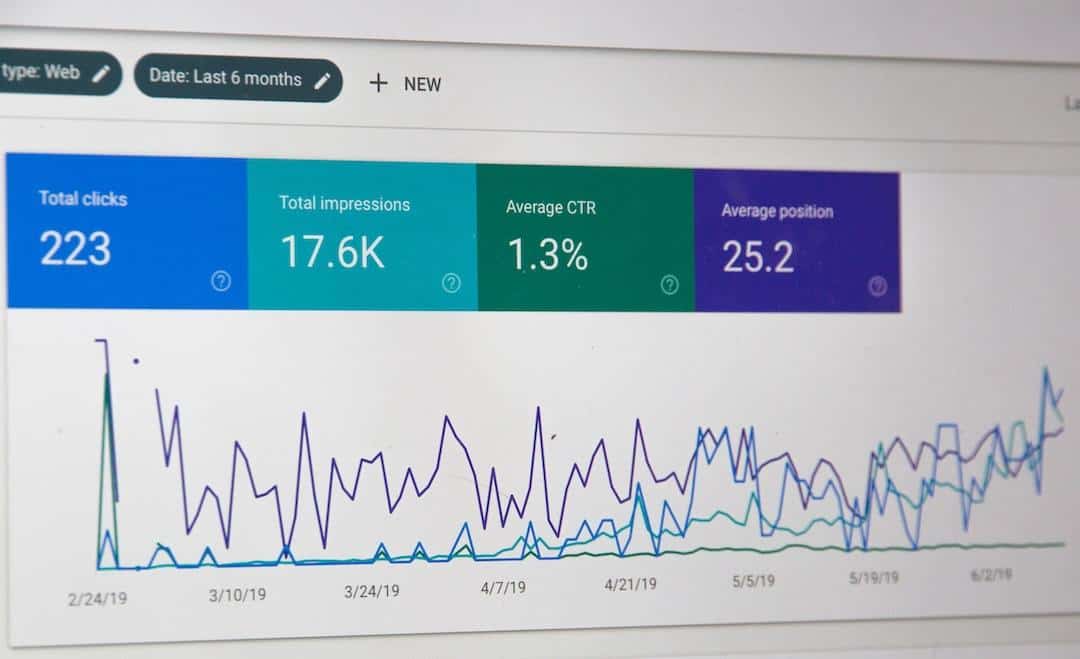
Successful SEO strategies rely heavily on reporting and analysis. A comprehensive overview report provides tangible evidence of your strategy’s effectiveness over time. Looking ahead, it’s important to plan for the future in order to ensure that your SEO strategies are successful.
Overview Reporting: A Snapshot of Success
An overview report gives you a snapshot of how well your SEO efforts are working. It includes metrics like organic traffic, bounce rate, conversion rates, and more. These insights can help identify what’s working and where improvements are needed. Credible sources can provide more information on how to create an effective overview report.
Planning Future Actions Based on Past Performances
Past performance is a great indicator of future success. By analyzing past performances, businesses can make informed decisions about their next steps in their SEO journey. Whether it’s tweaking keyword strategies or improving technical aspects like page speed, everything should be driven by data. Credible sources can provide more information on how to plan future actions based on past performances.
In today’s competitive digital landscape, understanding audience needs and delivering high-quality content backed by sound technical improvements remains the unbeatable recipe for achieving online success through efficient utilization of Search Engine Optimization techniques.
The key to effective SEO reporting and analysis lies in keeping track of relevant KPIs while continuously optimizing based on these insights to effectively meet evolving user needs as part of a broader business objectives alignment process overall.
FAQs in Relation to Seo Strategy
What are the top 5 SEO strategies?
Optimize your keywords, create high-quality content, optimize for mobile, build quality links, and regularly analyze your performance. Learn more.
What are the key components of an SEO strategy?
Keyword research, on-page optimization, and link building are the three key components of an effective SEO strategy.
What are the latest SEO trends?
Some of the latest SEO trends include voice search optimization, video content, and local SEO. Read more.
What are some common SEO mistakes to avoid?
Avoid keyword stuffing, using irrelevant or duplicate content, neglecting mobile optimization, and ignoring user experience. Learn more.
What is the importance of backlinks in SEO?
Backlinks are important because they signal to search engines that other websites consider your content to be valuable and relevant. Read more.
Conclusion
Boosting your online visibility with SEO is a must for small and medium-sized businesses, and it all starts with an audit to identify areas for improvement.
Defining key performance indicators, optimizing page speed, and using responsive design are crucial for improving user experience and search engine rankings.
Researching relevant keywords and optimizing content around long-tail keywords can help you stand out from the competition, while engaging blogs and informative guides can keep users coming back for more.
Building quality backlinks and improving crawlability through proper site structure are also important strategies to consider.
Don’t forget to analyze your performance and adjust your strategy accordingly to continue improving your online presence.
If you want to attract more potential customers and increase organic traffic, implementing these SEO strategies is a no-brainer.